_edited.png)
If We Believe in Redemption, It’s Time to End Juvenile Solitary Confinement
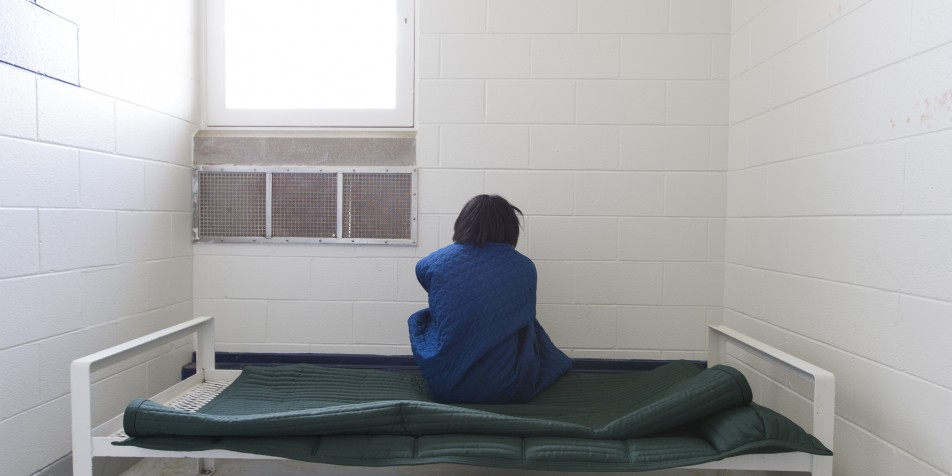
Across the United States, young people—some as young as 12—are subjected to solitary confinement in juvenile detention centers. They are locked in cells for up to 23 hours a day, often for days or weeks at a time, with little to no human contact. We call this “discipline,” but in reality, it is a form of sanctioned trauma.
If we truly believe in rehabilitation, in second chances, and in the ability of young people to grow and change, then we must confront the uncomfortable truth: juvenile solitary confinement does far more harm than good, and it must end.
Research is unequivocal. Solitary confinement has a devastating impact on mental health, particularly in young people. Studies have linked isolation to severe depression, anxiety, self-harm, and suicide. In fact, more than 50% of suicides in youth detention facilities occur while the individual is in solitary confinement. This is not a coincidence—it’s a consequence.
Adolescents are neurologically, emotionally, and socially still developing. The human brain does not fully mature until around age 25, particularly the prefrontal cortex—the region responsible for judgment, impulse control, and understanding consequences. When we isolate a young person, we are not teaching them accountability; we are punishing a brain that is still under construction.
Many of the youth subjected to solitary confinement have already experienced trauma—poverty, abuse, racial discrimination, or systemic neglect. Solitary doesn’t heal that trauma; it compounds it. And when these young people are released, they often struggle more—not less—to reintegrate into their communities, schools, and families.
Some states have already taken steps to ban or limit solitary confinement for juveniles. Others cling to vague justifications like “maintaining order” or “ensuring safety.” But safety should never come at the expense of a child’s mental and emotional well-being. We must reject the false choice between order and humanity.
Ending juvenile solitary confinement isn’t just a policy position—it’s a moral stance. It’s a reflection of what kind of society we want to be. Do we believe young people can change? Do we believe in justice that is restorative rather than purely punitive?
The answer should be yes.
We must advocate for our state legislatures to ban juvenile solitary confinement outright. We must support organizations on the frontlines of youth justice reform. And we must elevate the voices of those most impacted—formerly incarcerated youth who have lived the harm firsthand.
What we do to our children in the name of justice says everything about who we are. Solitary confinement is not justice. It is not safety. It is not rehabilitation.
It is cruelty—and it must end.

Comments